Introduction: The Power of Your Story in the Footsteps of Victor Hugo
Prologue: Paris, the Eternal Storyteller
There are cities that live in the imagination long before you ever set foot in them. Paris is one of those cities. It is a place where every street corner whispers secrets, every stone is steeped in memory, and every bridge seems to arch over the currents of time itself. Paris is a city of stories—some written in the pages of history, others etched in the hearts of those who have wandered its boulevards and alleys.
For centuries, Paris has been a crucible of ideas, a stage for revolution, a haven for artists, and a sanctuary for those seeking to reinvent themselves. Its skyline is punctuated by monuments to human aspiration: the soaring spires of Notre-Dame, the stately arcades of the Place des Vosges, the revolutionary echoes of the Bastille, and the shadowed depths of the city’s sewers. Each of these places is more than a landmark; it is a chapter in the ongoing story of Paris—a story of struggle, transformation, and hope.
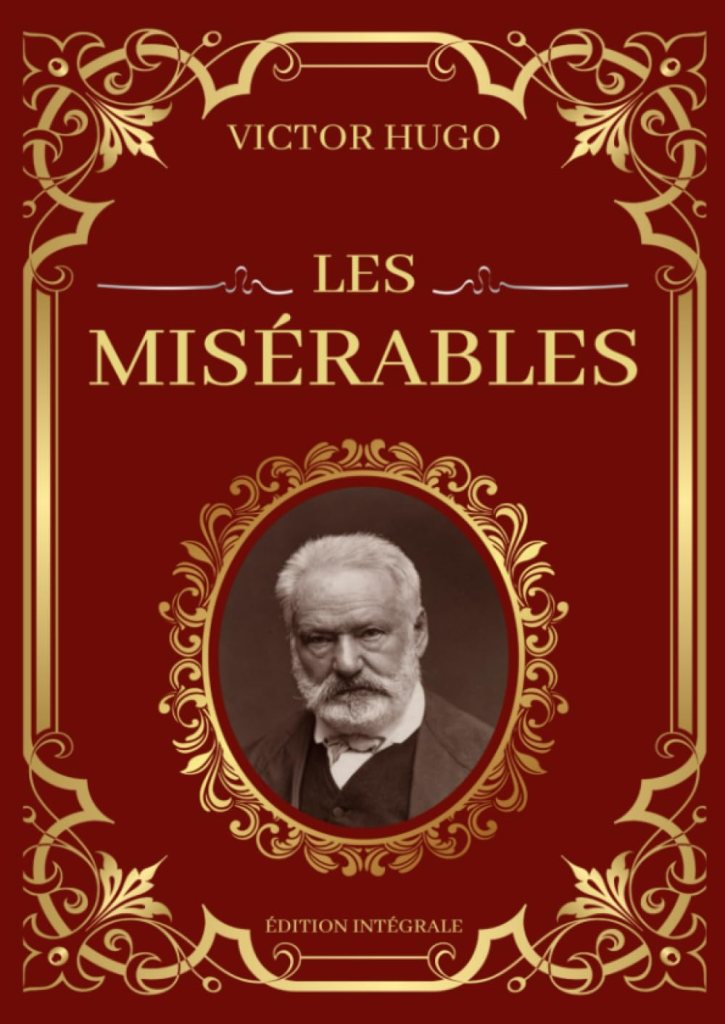
Among the many tales that Paris has inspired, none is more enduring or more universal than Victor Hugo’s Les Misérables. First published in 1862, Hugo’s masterpiece is not merely a novel; it is a meditation on the nature of suffering and redemption, justice and mercy, love and loss. It is a story that asks the deepest questions about what it means to be human—and what it means to change.
But what if the story of Les Misérables could become a guide for your own journey? What if, as you wandered the streets of Paris, you could explore not only the city’s history, but also the chapters of your own life? What if you could discover the power of your own story, and learn to lead yourself—and others—with greater courage, authenticity, and meaning?
This is the invitation of the Leadership Walking Journey: The Power of Your Story in Victor Hugo’s Paris. Drawing inspiration from Peter de Kuster’s The Power of Story and his narrative coaching this experience is more than a tour; it is a transformative exploration, a pilgrimage through place and self, a chance to step into the story you are living—and the story you wish to create.
Chapter One: The City as Mirror, the Story as Map
Every journey begins with a question. In the case of this walking journey, the question is not simply, “What will I see in Paris?” but rather, “What will I see in myself as I walk through Paris?” The city becomes a mirror, reflecting not only its own history, but also the inner landscapes of your heart and mind.
Peter de Kuster teaches that the stories we tell ourselves are not mere entertainment—they are the scripts by which we live our lives. Our beliefs about who we are, what we deserve, and what is possible for us are not fixed truths, but narratives—stories that can be questioned, rewritten, and transformed. By exploring the chapters of our own lives, we can uncover hidden strengths, heal old wounds, and step into new possibilities.
Victor Hugo understood this power of story. In Les Misérables, he weaves together the destinies of his characters with the fate of a nation, showing how personal transformation and social change are inextricably linked. Jean Valjean’s journey from convict to compassionate leader is not just a tale of redemption; it is a blueprint for anyone seeking to lead with integrity, resilience, and hope.
As you walk through the Paris of Hugo’s imagination—pausing at the Maison de Victor Hugo, standing beneath the soaring towers of Notre-Dame, tracing the shadows of the barricades at Place de la Bastille—you are invited to reflect on your own story. What chapters have you lived? What turning points have defined you? What legacy do you wish to leave?
Chapter Two: The Power of Story—Why Stories Matter
Why focus on story? Why not simply visit Paris, admire its beauty, and learn its history? The answer, as Jim Loehr so eloquently argues, is that story is the most powerful tool we possess for shaping our lives. The stories we tell ourselves—about who we are, what we can achieve, and what we deserve—become self-fulfilling prophecies. They determine our actions, our relationships, our successes, and our failures.
Loehr writes, “The story you tell yourself is the story you live.” If you believe you are a victim, you will act like one. If you believe you are a leader, you will rise to the occasion. If you believe you are capable of change, you will find the courage to transform.
But most of us are not fully aware of the stories we are living. We inherit them from our families, our cultures, our experiences. Some stories empower us; others limit us. Some are based on truth; others are rooted in fear or misunderstanding. The first step to living a more powerful story is to become conscious of the narrative you are telling yourself—and to ask whether it is serving you.
This journey through Paris is designed to help you do just that. At each stop, you will be invited to examine the stories that have shaped your life, to question their origins and their validity, and to imagine new possibilities. You will be guided by the structure of Loehr’s book, moving from awareness to purpose, from belief to action, from legacy to transformation.
Chapter Three: The Parisian Stage—Why Paris? Why Les Misérables? Why Now?
Why Paris? Why Les Misérables? Why now?
Paris is a city that has always been at the crossroads of change. From the French Revolution to the artistic explosions of the Belle Époque, from the barricades of 1832 to the student protests of 1968, Paris is a place where old stories are challenged and new ones are born. It is a city that invites you to question, to dream, to rebel, and to create.
Les Misérables is, at its heart, a story of transformation. It is about the possibility of change—within ourselves, within society, within the world. In an age when so many of us are searching for meaning, for connection, for a sense of purpose in our work and our lives, Hugo’s story offers timeless wisdom.
Peter de Kuster’s approach to leadership is rooted in the belief that we are all storytellers. The most powerful leaders are not those who command with authority, but those who inspire with vision, who connect through empathy, who lead by example. By exploring the stories we live by—and the stories we long to tell—we can unlock new sources of energy, creativity, and resilience.
This journey is for anyone who senses that their life is a story in progress. It is for leaders seeking to inspire others, for creatives longing to rediscover their spark, for travelers hungry for deeper meaning, for anyone standing at a crossroads, wondering what comes next.
Chapter Four: The Journey’s Structure
The Power of Story is structured around a series of chapters, each designed to help you examine and rewrite the narrative of your life. These chapters form the backbone of this Parisian walking journey, each mapped to a location that resonates with the themes of Les Misérables and the city’s own history.
1. That’s Your Story?
Maison de Victor Hugo, Place des Vosges
Every story has a beginning. For Jean Valjean, it was the moment he was released from prison, carrying the weight of his past and the hope of a new future. For you, it may be a childhood memory, a formative experience, or a long-held belief about who you are.
At the Maison de Victor Hugo, you are invited to reflect on the story you have been telling yourself. Is it empowering or limiting? Is it based on truth or on fear? How did you come to believe it? What would it mean to question it?
Reflective Questions:
- What story have I been telling myself about who I am?
- Is this story helping me or holding me back?
- If I could change one chapter, what would it be?
2. The Purpose of Your Life
Notre-Dame & Île de la Cité
Purpose is the engine of transformation. In Les Misérables, Valjean’s life is given new meaning by his promise to Fantine and his love for Cosette. The great cathedral of Notre-Dame stands as a symbol of hope and redemption, a place where destinies are forged.
Here, you are invited to consider: What do you want your life to stand for? What is your ultimate mission? What would you want written on your tombstone?
Reflective Questions:
- What is my deepest purpose?
- What do I want my life to stand for?
- How would I like to be remembered?
3. The Premise of Your Story
Place de la Bastille
Every story is built on a premise—a set of beliefs about how the world works and what is possible. The Bastille, once a symbol of tyranny and later of revolution, is the perfect place to examine the beliefs that form the foundation of your story.
Are your beliefs true? Are they serving you or holding you back? Where did they come from? What would it mean to challenge them?
Reflective Questions:
- What beliefs form the foundation of my story?
- Are these beliefs true?
- What new beliefs would empower me to live differently?
4. Is It Really Your Story You’re Living?
Rue Saint Antoine & Impasse Guéménée
Too often, we find ourselves living stories that are not our own—stories imposed by family, culture, or circumstance. The winding streets of the Marais, with their hidden alleys and secret histories, invite you to ask: Are you living your own story, or someone else’s? Who or what has most shaped your narrative? What voices compete for control?
Reflective Questions:
- Whose story am I really living?
- Who or what has most influenced my narrative?
- What would it mean to reclaim authorship of my own story?
5. The Battle for Your Story
Musée des Égouts de Paris
Transformation is rarely easy. It often requires us to confront our deepest fears, to descend into the darkness before we can emerge into the light. The sewers of Paris, where Valjean carries Marius to safety, symbolize this journey through the shadows.
What challenges or crises have forced you to confront your story? When have you rewritten your narrative in the face of adversity? What strengths have you discovered in the process?
Reflective Questions:
- What crises have challenged my story?
- How have I rewritten my narrative in response?
- What strengths have I discovered in myself?
6. The Final Chapter: Your Legacy
124 Avenue Victor Hugo
Every story must end, but every ending is also a new beginning. Hugo’s last home, where he spent his final years, invites you to consider your legacy. What story do you want to leave behind? How do you want to be remembered? What must change in your story to make that legacy real?
Reflective Questions:
- What story do I want to leave behind?
- How do I want to be remembered?
- What must change in my story to create my desired legacy?
Chapter Five: The Art of Narrative Leadership
What does it mean to be a leader in your own life? Jim Loehr and Peter de Kuster both teach that leadership is not a title or a position, but a way of being. It is the courage to own your story, to face your fears, to act with integrity, and to inspire others through your example.
In Les Misérables, leadership takes many forms. Jean Valjean leads through compassion and sacrifice. Fantine leads through love and resilience. The students of the barricades lead through vision and courage. Even Javert, in his relentless pursuit of justice, reveals the power—and the peril—of living by a rigid story.
As you walk in their footsteps, you are invited to consider: What kind of leader do you want to be? What values guide your decisions? How do you respond to failure and success? How do you inspire and support others?
Through guided exercises and reflective questions, you will learn to identify the stories that empower you—and the stories that hold you back. You will discover how to reframe challenges as opportunities, how to find meaning in adversity, and how to lead with authenticity and purpose.
Chapter Six: The Transformative Power of Walking
There is something magical about walking. As your feet move, your mind opens. The rhythm of your steps becomes a meditation, a way of connecting with the world around you and the world within you. In Paris, every street has a story, every building a memory, every corner a possibility.
Walking through the city with intention, guided by the themes of Les Misérables and the questions of Peter de Kuster, you will find that the boundaries between past and present, between fiction and reality, begin to blur. The struggles of Jean Valjean become your own; the hopes of Cosette echo in your heart; the courage of the students at the barricades inspires you to face your own battles.
This journey is not about sightseeing; it is about sight—about seeing yourself and your world with new eyes. It is about awakening to the power of your own story, and recognizing that you are both the author and the hero of your life.
Chapter Seven: The Journey’s Formats—Solo, Group, Private
Whether you are seeking solitude or connection, depth or discovery, this journey offers a format to suit your needs:
- Travel Solo: Embark on a self-guided adventure, equipped with a digital guidebook, map, and reflective prompts. Move at your own pace, linger where you feel called, and dive deep into your personal story.
- Group Tour: Join a small group of fellow travelers, guided by an experienced facilitator. Share insights, engage in dialogue, and discover the power of collective storytelling.
- Private Tour: Enjoy a personalized experience, tailored to your interests and goals. Benefit from one-on-one coaching, extended reflection, and the freedom to shape the journey to your needs.
Each format includes access to key locations, guided exercises, and the support of a community of fellow storytellers (if desired). Whether you are traveling alone, with friends, or as part of a team, you will find inspiration, insight, and transformation.
Chapter Eight: The Rituals of Story—Anchoring Change
Peter emphasizes that changing your story is not a one-time event, but an ongoing process. It requires rituals—daily practices that anchor your new narrative in reality. As you move through Paris, you will be invited to create your own rituals: moments of reflection, acts of kindness, commitments to yourself and others.
At each stop, you will be encouraged to write in your journal, to share your insights with fellow travelers, to take a symbolic action that marks your commitment to a new chapter. These rituals, small but powerful, will help you carry the lessons of Paris back into your everyday life.
Chapter Nine: The Universal Story—From Paris to the World
The story you tell yourself is unique, but it is also universal. The struggles and triumphs of Jean Valjean, Fantine, Cosette, and the students of the barricades are echoes of your own journey. The streets of Paris are filled with the footsteps of those who have come before you—dreamers and rebels, artists and leaders, seekers and survivors.
As you walk through the city, you are not alone. You are part of a great human story, a tapestry woven from countless lives and countless dreams. The lessons you learn in Paris—the courage to question your story, the wisdom to rewrite it, the strength to live it—are gifts you can carry with you wherever you go.
Chapter Ten: Your Invitation—Step Into Your Story
The story of Les Misérables is ultimately a story of hope—the hope that, no matter how dark the night, dawn will come; that, no matter how heavy the burden, redemption is possible; that, no matter how broken our world, love and courage can heal and transform.
As you prepare to embark on this journey, ask yourself: What story am I living? What story do I want to create? What legacy do I wish to leave?
The streets of Paris await. The spirit of Victor Hugo whispers through the city’s stones. The power of your story is ready to be discovered.
Will you answer the call?
Begin your Leadership Walking Journey: The Power of Your Story in Victor Hugo’s Paris. Step into the story of your life—and discover the leader within.
For dates and prices reach out to Peter at peterdekuster@hotmail.nl
 The Hero's Journey in Paris