The Power of Your Story: A Journey Through Quatre Cents Coups at Le Champo, Paris
By Peter de Kuster
There are moments in life when a story, a film, or a place transcends the ordinary and invites us to look deeply within ourselves—to consider the stories we tell ourselves about who we are, where we come from, and where we are going. One such moment occurred in 1959, in the heart of Paris, at the legendary Le Champo cinema in the Latin Quarter. There, François Truffaut’s Quatre Cents Coups (The 400 Blows) premiered, weaving a tale so intimate and raw that it forever altered the landscape of cinema—as well as the way we understand coming-of-age journeys.
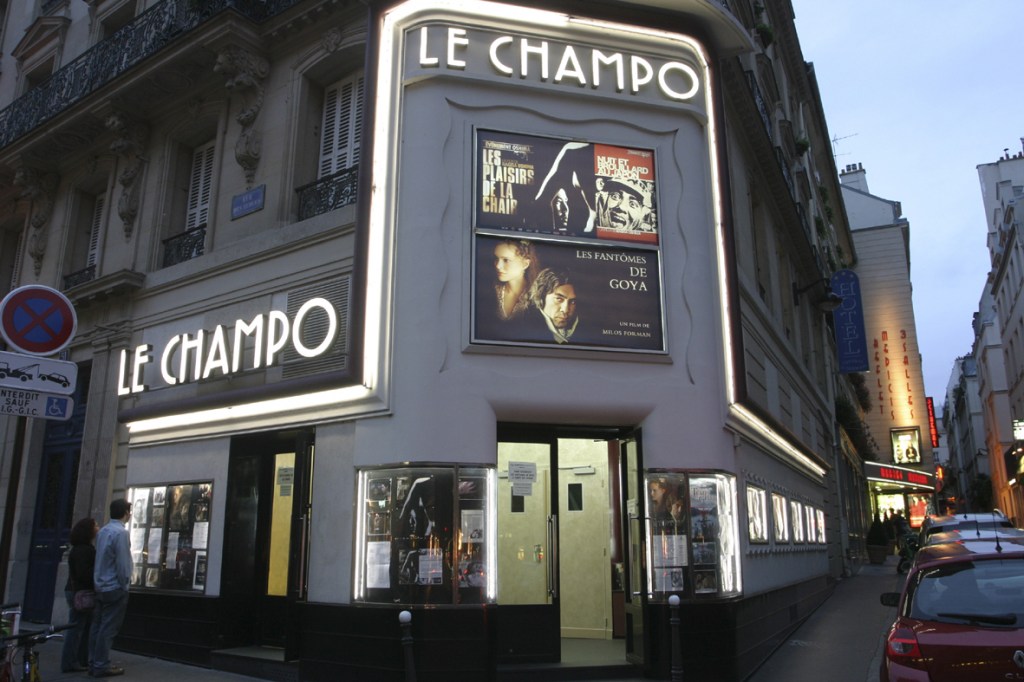
Le Champo is no ordinary cinema; it is a sacred space for film lovers and storytellers alike. Nestled among narrow cobblestone streets and the vibrant intellectual spirit of Paris, it has welcomed generations eager to experience a deeper cinematic truth—the story of life itself, in its gritty, messy, hopeful, and sometimes heartbreaking reality. When The 400 Blows first flickered onto the silver screen here, it was more than a movie debut; it was the birth of a new storytelling revolution, heralding the French New Wave and a refreshing honesty that defied conventions.
Antoine Doinel: A Boy’s Story, A Human Story
The film unfolds the story of Antoine Doinel, a fourteen-year-old boy navigating the complex, often suffocating world of youth. Antoine is no mythic hero slaying dragons or embarking on grand adventures—yet his journey is every bit a hero’s journey. It is the portrait of a boy wrestling with neglect, misunderstanding, and the harsh weight of adult expectations. Antoine’s world is post-war Paris, but it could be any place where a child’s voice struggles to be heard among the clamor of school reprimands, parental indifference, and societal strictures.
His home is cramped, cold, and emotionally distant. His mother Gilberte appears disengaged, while his stepfather Julien offers little support or warmth. School is a battleground of rules and punishments; teachers brand Antoine as a troublemaker, distrustful of his potential. Yet Antoine’s spirit is not defeated. His acts of rebellion—passing prohibited images, writing poems on classroom walls, stealing typewriters—are not mere acts of delinquency but attempts to grasp control of his story, to be seen and heard.
The narrative is a study in contrasts: the confinement of apartments and schoolrooms versus the open city streets and, ultimately, the expansive, hypnotic ocean shore. This ocean—where Antoine runs free at the film’s poignant end—is the quintessential symbol of hope, freedom, and the unknown horizon beckoning us all.
The Storyteller’s Journey
From my work guiding countless storytellers through The Hero’s Journey and The Power of Your Story frameworks, Antoine’s tale is a classic example of the human journey behind every story. His story reminds us that the most profound quests are often the internal ones: wresting control of our narrative from forces that would confine it.
In the darkened auditorium of Le Champo, watching Antoine’s flickering emotions—the hope, confusion, anger, and innocence—we recognize a reflection of ourselves. The boy’s story asks us directly: “What is your story? Who are you when you face life’s challenges?”
Such questions resonate deeply with travelers—not just in time and place but in the internal journey of self-exploration each of us embodies.
The Power of the Story You Tell Yourself
Stories shape our identities, our decisions, and the meanings we glean from experience. Antoine’s story is crucial because it exposes this truth: the stories imposed on us by family, society, and circumstance can limit our freedom. Truffaut’s masterpiece does not simply paint a victim’s tale; it reveals the agonizing moments of rebellion and the yearning for autonomy that spark transformation.
Drawing on my storytelling approach, I invite you to view Antoine’s journey from the vantage of your own story. What narratives have you inherited or accepted that confine or define you? What new story waits for your bold authorship?
A Deep Summary: Antoine’s World Within and Without
Antoine Doinel wanders through Paris as a stray soul struggling against invisible chains. He is neglected—not maliciously but through absence, disconnection, and unspoken divides. His mother’s detachment, her affair, reveals fractures in family safety; his stepfather’s sternness does not calm but confines. At school, he navigates harsh discipline and misunderstanding, branded a troublemaker when all he seeks is respect as a person.
Antoine’s rebellious acts—passing out forbidden pictures, vandalizing walls, and lying—are cries not just for attention but for existence. When he lies that his mother has died, the crushing shame of being caught reveals the painful gap between perception and reality.
Runs away from home, steals a typewriter to fund escape plans, and ultimately ends up in a juvenile observation center, where he faces institutional judgment instead of care. It is here, in this “special world” of confinement, that Antoine confronts the core truths about his family, himself, and the world’s indifference.
The film’s most iconic moment—his run towards the ocean and the freeze-frame on his astonished, vulnerable face—leaves us suspended between hope and uncertainty, echoing life’s ambiguous, unfinished nature.
Antoine’s Journey in the Hero’s Journey Model
The beauty of The 400 Blows is that it grounds the hero’s journey archetype in the prosaic yet universal struggles of adolescence.
- The Ordinary World is Antoine’s school and home; a world marked by confinement and neglect.
- The Call to Adventure reverberates through his acts of rebellion and yearning to be seen.
- Refusal of the Call is seen in his hesitations, lies, and fear.
- The Mentor is subtle—not a person but literary inspiration—Balzac, who offers Antoine a glimpse of a larger world.
- Crossing the Threshold happens when Antoine runs away, embracing an unknown journey.
- Tests, Allies, and Enemies surface in confrontations with friends, police, and the system.
- Approach to the Inmost Cave is the juvenile center and the emotional examination therein.
- Ordeal is the physical and emotional escape seeking freedom.
- The Reward is the ocean’s promise, infinite and open.
- The Road Back remains undefined, reflecting ongoing struggle.
- Resurrection emerges as Antoine’s self-awareness grows.
- Return with the Elixir is the story itself—the eternal quest for identity and belonging.
Questions for Travelers
As we sit together in that historic Paris cinema or wherever you experience this film, Antoine’s story invites us to consider:
- What walls confine your spirit? How do they shape your internal story?
- When have you rebelled against misuse or misunderstanding? What was your story then?
- Who or what mentors you towards your truer self?
- What is the “ocean” calling you towards—freedom, growth, new chapters?
- How will you author your new story with courage and accountability?
Antoine’s story is a call to action—a reminder that every one of us is the hero of our story. The path is uncertain, yes, but vibrant with possibility. It demands honesty, resilience, and the willingness to step beyond comfort towards transformation.
Closing Reflections
Quatre Cents Coups offers more than a film experience—it is a mirror to our inner landscape and a map for our personal journeys. Its legacy, born in that Parisian cinema over half a century ago, endures because it reveals that heroism lives not in fame or fortune but in the simple, bold claim to self through the stories we choose and live.
So, travel deep, choose your story, and step bravely into the unknown.
 The Hero's Journey in Paris