by Peter de Kuster
Five day journey
Price: € 2.950 per person
Introduction
Welcome to Paris—the city of reinvention, imagination, and bold new stories. This journey with Peter de Kuster invites you to walk through the heart of Paris, rethinking what it means to lead, create, and make a difference in a world of constant disruption. At each stop, you’ll discover how legendary Parisians and fictional heroes reimagined their worlds, and you’ll be challenged to reimagine your own business and personal story.
Chapter 1: Re-Imagining Context – The Eiffel Tower
When Gustave Eiffel first envisioned his iron tower, Paris was a city of stone and tradition, its skyline dominated by cathedrals and palaces. The proposal of a soaring, skeletal structure for the 1889 World’s Fair was met with ridicule and outrage. Yet, Eiffel saw not an eyesore, but a beacon—a symbol of daring imagination and the future. As you stand beneath the Eiffel Tower’s latticework, you feel the audacity that redefined the city’s horizon. This is the spirit of re-imagining context: seeing possibility where others see limits, and having the courage to propose a new narrative for your world.
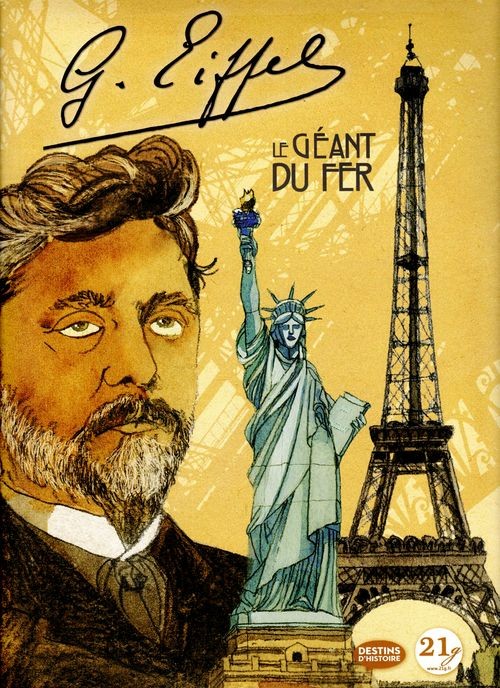
In today’s corporate landscape, context is everything. The rules are shifting, the boundaries dissolving. What once seemed unthinkable is now essential. Like Eiffel, leaders must learn to look beyond the obvious, to question inherited assumptions, and to create new frameworks for action. The Eiffel Tower reminds us that every organization, every leader, faces moments when the old context no longer fits. Will you cling to the past, or will you dare to re-imagine what’s possible?
As you gaze upward, let the ironwork inspire you to ask: What is the “Eiffel Tower” idea in your life or work—the bold vision that others might dismiss, but that could redefine your world? How can you challenge the status quo and set a new context for your team, your company, your industry? Today, in the shadow of Paris’s most radical landmark, your journey as a New Corporate Storyteller begins—with the courage to re-imagine the very ground you stand on.
Chapter 2: Embracing Destruction – The Bastille Site
On the Place de la Bastille, the echoes of revolution still linger. Here, on July 14, 1789, Parisians stormed the fortress-prison, toppling a symbol of oppression and igniting a fire that would sweep across France and the world. The Bastille’s stones are long gone, but its spirit remains—a reminder that sometimes, the old must be torn down to make way for the new.
In business, as in history, progress often demands destruction. The comfortable routines, the sacred cows, the systems that once served us—these can become prisons, stifling innovation and growth. Peter de Kuster urges us to embrace “creative destruction,” to recognize that letting go is not loss, but liberation. The Bastille teaches us that real change is rarely gentle. It is noisy, disruptive, and, at times, frightening. Yet, from the rubble, new possibilities emerge.
As you stand at this historic crossroads, reflect on what needs dismantling in your own leadership story. Is it a process that no longer works, a mindset that limits you, a fear that holds you back? The Bastille’s lesson is not just about tearing down, but about having the vision to see what can rise in its place. Destruction, when embraced with purpose, becomes the first act of creation.
Let the spirit of revolution infuse your thinking. What would you storm if you had no fear? What old structures in your organization or life are ready to fall? Here, where the walls once stood, imagine the new stories you could build on cleared ground. In the heart of Paris, you are invited not just to witness history, but to make it—by embracing the power of necessary endings.
Chapter 3: The Power of Solutions – Hôtel Dieu & Marie Curie
The ancient stones of Hôtel Dieu, Paris’s oldest hospital, have witnessed centuries of suffering and healing. Within these walls, Marie Curie pursued her relentless quest for knowledge, transforming the world’s understanding of science and medicine. She did not simply treat symptoms—she sought solutions, redefining what was possible for generations to come.
In the corporate world, true leaders are not content to patch problems or manage decline. They are solution-seekers, driven by curiosity and a refusal to accept the status quo. Peter de Kuster challenges us to move from “cost center” thinking to “solution center” action, to become architects of progress rather than caretakers of the past. Marie Curie’s story is a testament to the power of persistence, collaboration, and bold inquiry.
As you walk the corridors where Curie once worked, consider the problems you face in your own organization. Are you treating the surface, or digging for root causes? Are you willing to ask new questions, to challenge accepted wisdom, to partner with others in pursuit of breakthrough solutions? The Hôtel Dieu is a place where pain met possibility, where the impossible became real.
Let Curie’s legacy inspire you to reframe your challenges. What if every obstacle was an invitation to innovate? Who are your allies in discovery, your partners in transformation? In the heart of Paris’s healing tradition, you are called to become not just a fixer, but a solver—a leader who turns problems into possibilities, and setbacks into stories of hope.
Chapter 4: Brand from the Inside Out – Coco Chanel at Ritz Paris
In the gilded halls of the Ritz Paris, Coco Chanel redefined not only fashion, but the very idea of what a brand could be. Chanel lived her story—her values, her vision, her relentless pursuit of elegance—every day, in every detail. From her suite at the Ritz, she orchestrated a revolution that liberated women from corsets and conventions, turning her own life into a living brand.
Peter de Kuster insists that branding is not just about logos or slogans, but about authenticity—about aligning what you say with what you do, inside and out. Chanel’s genius was to make her personal narrative inseparable from her creative output. She understood that the most powerful brands are lived, not just marketed; they are built from the inside out.
As you linger in the Ritz’s salons, ask yourself: What story does your brand tell when no one is watching? How do your daily actions, your rituals, your decisions reflect the values you claim? In a world hungry for authenticity, your brand is not your website—it is your culture, your habits, your lived experience.
Chanel’s legacy is a challenge to every leader: Don’t just sell a story, become it. Let your values shape your environment, your team, your every interaction. The Ritz is more than a hotel; it is a stage for reinvention. Here, you are invited to step into your own story, to craft a brand that is as honest and enduring as the woman who changed Paris forever.
Chapter 5: The Hero’s Journey Project – Centre Pompidou
Rising from the heart of Paris like a colorful exclamation, the Centre Pompidou is a testament to the power of the WOW project. When architects Renzo Piano and Richard Rogers unveiled their radical “inside-out” design, Parisians were stunned. Pipes, ducts, and escalators—all the building’s workings—were exposed, challenging every convention of museum architecture. Critics scoffed, but the Pompidou quickly became a beloved icon, a beacon for creative projects and bold ideas.
Peter de Kuster calls for “The Hero’s Journey projects”—initiatives that are daring, distinctive, and memorable. The Pompidou is not just a building; it is a celebration of possibility, a space where art, innovation, and the unexpected collide. Every organization needs its The Hero’s Journey projects—the ones that scare and excite, that push boundaries and inspire teams to greatness.
As you stand before the Pompidou’s vibrant façade, consider: What’s your The Hero’s Journey project? What idea or initiative could set your organization apart, create lasting impact, and ignite passion in your team? Are you willing to risk criticism for the sake of originality? The Pompidou’s lesson is clear: safe is forgettable, but bold is unforgettable.
Let the energy of this place fuel your imagination. Who are your creative collaborators? How can you foster a culture that welcomes experimentation and celebrates the extraordinary? In the shadow of Paris’s most unconventional masterpiece, you are challenged to lead not just with competence, but with courage—to make your mark with a hero’s journey.
Chapter 6: Talent and the Free Agent – Gertrude Stein’s Salon
In the bohemian heart of Montparnasse, Gertrude Stein’s apartment became a legendary salon—a gathering place for the free agents of art and literature. Picasso, Hemingway, Fitzgerald, Matisse: here, the greatest creative minds of the 20th century found inspiration, challenge, and community. Stein herself was a connector, a mentor, and a catalyst, nurturing talent by giving it space to experiment and flourish.
Peter de Kuster foresaw the rise of the “talent nation”—a world where talent is mobile, networks are fluid, and leadership is about attraction, not control. In Stein’s salon, the old hierarchies dissolved; what mattered was contribution, originality, and the willingness to share ideas. The lesson for today’s leaders is clear: the best talent cannot be commanded, only invited and inspired.
As you sit in the neighborhood where Stein’s salon once thrived, reflect on your own approach to talent. Are you a connector, a mentor, a catalyst? How do you attract and nurture exceptional people? What would it look like to lead a “salon” of creative minds, where everyone is free to bring their best?
Let the spirit of Montparnasse remind you that leadership is not about titles, but about influence. It is about creating spaces where brilliance can emerge, where risk is safe, and where the next Picasso or Hemingway can find their voice. In the city of artists, you are invited to become a curator of genius—a leader for the new age of free agents.
Chapter 7: Think Weird, Lead Bold – Montmartre & Picasso
High on the slopes of Montmartre, where the city’s artists once gathered in ramshackle studios, Pablo Picasso arrived as a young, unknown Spaniard. In the chaotic world of the Bateau-Lavoir, he dared to “think weird”—to break the rules of art and invent Cubism, a movement that would change the course of modern creativity. Montmartre was a place where the boldest ideas were born, where difference was celebrated, and where the future was shaped by those willing to defy convention.
Peter de Kuster urges us to “think weird,” to embrace the power of difference and the courage of the unconventional. In a world hungry for innovation, the leaders who thrive are those who welcome the strange, the new, the disruptive. Picasso’s story is a reminder that greatness begins at the margins, in the willingness to see the world differently.
As you wander Montmartre’s winding streets, ask yourself: Where can you “think weird” in your work? What is your boldest, most unconventional idea? How can you create a culture that celebrates experimentation and welcomes the unexpected?
Montmartre’s legacy is not just artistic, but entrepreneurial. It is a place where risk and creativity walk hand in hand, where the next big thing is always just around the corner. In the footsteps of Picasso, you are invited to lead boldly—to make room for the weird, the wild, and the wonderful in your own story.
Chapter 8: Discovering New Markets – La Défense
La Défense, with its futuristic towers and international companies, represents Paris’s leap into new economic arenas. Here, French firms reimagined their reach—serving global clients, attracting diverse talent, and creating new business models. The story of La Défense is one of transformation: from farmland to Europe’s largest purpose-built business district, it’s a testament to the power of seeing new possibilities and boldly moving beyond the old city walls.
Peter de Kuster emphasizes that thriving in a disruptive age requires constantly seeking out and serving new markets—whether that means new customer demographics, emerging geographies, untapped industries, or overlooked communities. He urges leaders to break out of traditional silos, question who their real customers could be, and build organizations that are nimble enough to seize new opportunities as they arise.
As you walk among the glass and steel of La Défense, reflect: Who are your “new markets”—the customers, regions, or sectors you’ve never served but could? What assumptions about your market are ready to be challenged? How can you build a team and a brand that welcomes diversity and adapts to new needs? What partnerships, technologies, or business models could help you reach new audiences?
La Défense’s lesson is one of expansion, adaptability, and the courage to move beyond boundaries. Here, you are called to reimagine your reach and embrace the future’s possibilities.
Chapter 9: Education and Self-Reliance in the New Age – The Sorbonne
In the historic halls of the Sorbonne, Paris’s ancient university, generations have gathered to learn, debate, and challenge the status quo. Yet, as Peter de Kuster argues in The New Corporate Storyteller, the old model of education—rote memorization, conformity, and obedience—no longer serves the needs of a creative, entrepreneurial, and self-reliant age. Peter calls for an education revolution: one that prizes curiosity, risk-taking, and the arts; that encourages young people and adults alike to “break the rules and invent vivid new futures.”
The Sorbonne stands as both a symbol of tradition and a call to re-invention. Here, Simone de Beauvoir challenged gender norms, and Marie Curie pushed the boundaries of science. Today, the real lesson is that education must be lifelong, self-driven, and creative. In a world where every job and industry is being reinvented, the most valuable skill is the ability to learn, adapt, and reimagine yourself—again and again.
As you walk through the Latin Quarter, reflect on your own learning journey. Are you cultivating the creativity and self-reliance needed for the new age? What are you doing to foster these qualities in your team, your children, or your community? How can you make learning a daily habit, not just a phase of life?
The Sorbonne’s legacy is not just academic—it is revolutionary. In the new age, education is everyone’s responsibility, and self-reliance is the foundation of leadership. Here, you are invited to become both student and teacher, to embrace the arts, to experiment, and to never stop learning.
Chapter 10: Story Design – Musée des Arts Décoratifs
In the elegant halls of the Musée des Arts Décoratifs, design is more than aesthetics—it is meaning, emotion, and story made visible. Peter de Kuster insists that “great design is necessary,” not optional. In a business world where products and services are easily copied, it is the story behind the design—the why, the feeling, the narrative—that sets you apart. The museum is filled with objects that tell stories: a chair that changed how people sit, a lamp that brought light to new corners, a dress that redefined beauty.
Story Design, Peter argues, is the “soul” of new enterprise. It is about crafting every detail to create coherence, delight, and connection. Great story design means shaping every customer touchpoint as a chapter in your brand’s narrative. It means thinking like an artist and a storyteller, not just a manager. In Paris, the capital of design, you are surrounded by reminders that every detail matters.
As you explore the museum, ask yourself: How does your organization design its story? Are you intentional about the experiences, symbols, and emotions you create? What is the narrative thread that ties your work together? The future belongs to those who design with purpose and imagination—who make their story unforgettable in every sense.
Chapter 11: Memorable Stories – Moulin Rouge
Beneath the red windmill of the Moulin Rouge, generations have gathered to experience the extraordinary. Here, Paris invented the cabaret—a place where spectacle, story, and emotion collide to create memories that last a lifetime. Beyond solutions: providing memorable experiences is the ultimate value proposition. In the new economy, it’s not enough to deliver a product or service; you must craft an experience that becomes a story your customer will retell.
The Moulin Rouge is a masterclass in memorable storytelling. Every night, dancers, musicians, and artists collaborate to create an atmosphere of wonder and excitement. The show is not just seen—it is felt, remembered, and shared. Peter de Kuster urges leaders to think of their business as a stage, their offering as a performance, and their customers as participants in a story worth telling.
As you take in the energy of the Moulin Rouge, reflect: What stories are your customers telling about you? How do you design experiences that become legends in their minds? What would it take to turn every interaction into a moment of magic? In the city of light, you are called to make your work not just useful, but unforgettable.
Closing Circle: Jardin du Luxembourg
As the day draws to a close, we gather in the tranquil embrace of the Jardin du Luxembourg. Here, among statues and fountains, you are invited to reflect on your journey—on the stories you have encountered, the questions you have asked, and the new possibilities you have imagined. The garden is a place of renewal, a reminder that every ending is also a beginning.
In the spirit of the great Parisian innovators, you are challenged to carry the lessons of this journey into your own life and work. What will you re-imagine? What will you create, destroy, or rebuild? How will you tell your new corporate story?
Share your insights, your dreams, and your commitments with fellow travelers. Let the wisdom of Paris inspire you to lead with courage, creativity, and authenticity. The city of light has given you its stories; now, it is your turn to write the next chapter.
Timeline for the Day
09:00 – 09:30 | Welcome & Introduction at Place Vendôme
09:45 – 10:30 | Chapter 1: Re-Imagining Context – The Eiffel Tower
10:45 – 11:30 | Chapter 2: Embracing Destruction – The Bastille Site
11:45 – 12:30 | Chapter 3: The Power of Solutions – Hôtel Dieu & Marie Curie
12:45 – 13:45 | Lunch & Reflection at Shakespeare & Company
14:00 – 14:45 | Chapter 4: Brand from the Inside Out – Coco Chanel at Ritz Paris
15:00 – 15:45 | Chapter 5: The Hero’s Journey Project – Centre Pompidou
16:00 – 16:45 | Chapter 6: Talent and the Free Agent – Gertrude Stein’s Salon
17:00 – 17:45 | Chapter 7: Think Weird, Lead Bold – Montmartre & Picasso
18:00 – 18:30 | Chapter 8: Discovering New Markets – La Défense
18:30 – 19:00 | Chapter 9: Education and Self-Reliance in the New Age – The Sorbonne
19:00 – 19:30 | Chapter 10: Story Design – Musée des Arts Décoratifs
19:30 – 20:00 | Chapter 11: Memorable Stories – Moulin Rouge
20:00 – 20:30 | Closing Circle at Jardin du Luxembourg
What’s Included
- Full-day guided storytelling and leadership walk with Peter de Kuster
- Reflection journal and creative prompts at each location
- Coffee/refreshments at select stops
- Certificate of completion
Price
€1.095 per person
Special rates available for groups of three or more.
Why Join?
- Transformative: Re-imagine your leadership story in the world’s most inspiring city.
- Experiential: Learn through the stories of Paris’s greatest innovators and rebels.
- Personalized: Reflect on your own journey at every step, with expert guidance.
- Exclusive: Small group size ensures depth, interaction, and memorable connections.
- Future-Focused: Dedicated modules on new markets, education/self-reliance, design, and memorable experiences.
To reserve your place or request a private tour, contact Peter de Kuster at peterdekuster@hotmail.nl
Step into Paris. Re-imagine your story. Become the New Corporate Storyteller—ready for the markets, challenges, and storytelling revolutions of tomorrow.
The Hero’s Journey in a Disruptive Age: The Hero’s Journey In Leadership
The Call to Adventure
We fall back, in these crazy and chaotic times, on the command-and-control model of leadership – a model that no longer accords with how dynamic leaders actually operate.
We seek shelter in the fantasy of a leader who has The Answers… who promises ‘change’ or ‘success’ or ‘profits’ in exchange for patient ‘followership’ (aka obedience). But in an age where all value flows from creativity and initiative, we must imagine and embrace a model of leadership that is loose, open, and perpetually innovative.
We ask leaders to be ‘good stewards’ of the assets they inherit. But in an age where permancence is a dangerous delusion, we must instead ask leaders to challenge the legacies that they have inherited, to create entirely new value propositions – and then to get out before they get stale.
A famous story in Paris that perfectly illustrates “The Call to Adventure” for modern leadership is the creation of the Eiffel Tower by Gustave Eiffel and his team. This story shows how genuine innovation—and the willingness of leaders to challenge the status quo, embrace risk, and encourage creativity—can result in extraordinary achievements, even in the face of skepticism and resistance.
When Gustave Eiffel was approached with the proposal for the tower, the idea was rudimentary and widely ridiculed by many established figures in Paris, including intellectuals and artists. Rather than rejecting the unfinished concept, Eiffel encouraged his engineers to rework and refine the design, believing that value could emerge from their creative initiative rather than rigidly enforcing existing procedures or relying on top-down direction.
Eiffel didn’t simply manage inherited assets or maintain the status quo. He challenged conventional thinking about architecture and urban space, pushing his team to innovate and adapt. By placing himself as a facilitator and steward of dynamic ideas rather than a dictator with all the answers, Eiffel created a new value proposition for Paris—an iconic monument that became a global symbol of creativity and transformation.
The story of the Eiffel Tower shows how powerful leadership often defies command-and-control models. Eiffel’s example urges modern leaders to be open, innovative, and unafraid to disrupt tradition, echoing the need for stewardship that challenges inherited legacies and welcomes continual reinvention—the very essence of the adventure.
The Hero’s Journey of Leaders
The Hero’s Journey of Leaders is .. Joyous! It’s a matchless opportunity to Make a Difference by marshaling the talents of others to a Seriously Cool Cause.
The Hero’s Journey of Leaders is… Horrible! It’s an exercise in sorting through the mess of human relations, in all their gory detail, day after day (After day)
The Hero’s Journey of Leaders is .. Cool! It’s a Glorious Adventure that enables us to magnify our impact on the world.
The Hero’s Journey of Leaders is …Lonely! It’s a battle against doubt and dread in which you have only your own judgment about human nature to fall back on.
The Hero’s Journey of Leaders is …Different! It is a matter not of ‘doing’ excellence but of ‘inspiring’ excellence in others
The Hero’s Journey of Leaders is Not what you think! It’s not about ‘command and control’ or kingly charisma. It’s about living in the depths (flourishing in the chess game of egos and institutions) and soaring to the heights (rallying othrs to invent and then pursue seemingly impossible dreams)
The Hero’s Journey of Leaders is …The Ultimate New Mandate! It’s an apt prism through which to summarize this long journey that we have taken through our Disruptive Age. It’s a never-ending project with a breathtakingly simple (and breathtakingly difficult) core objective: Re-write your story!
The Hero’s Journey of Leaders is … 50 stories in Paris
Leaders Create Opportunities.
In a newsletter I read this week from an university there was a title of the lead article which sent me in a rage. It suggested that excellent (educational) institutions ‘transform people’.
Nonsense!
Nobody ‘transforms’ anybody else!
Instead, we create opportunities for people and then encourage them to apply their latent talents to grasp those opportunities. The difference between those two notions is as subtle as.. .standing on the Eiffel Toren at the top.
Leaders do not transform people. Leaders instead construct a context in which … Voyages of Mutual Discovery… can take place. Leaders provide access to a luxuriant portfolio of The Hero’s Journey Projects that challenge people to express their Innate Curiosity and to visit (or indeed, to create) places that they (and their leaders) had never dreamed of. And when the voyage bears fruit, leaders applaud like hell, stage ‘photo ops’, and ring the church bells 100 times to commemorate the bravery of their ‘followers’ explorations!
‘Places Never Dreamed Of’ That is the heart of the matter: NO ONE HAS A CLUE! BOSS= DOESN HAVE A CLUE FOLLOWER = DOESN’T HAVE A CLUE. We must … THE VERY DEFINITION OF THIS WILD & WOOLLY AGE… discover-invent places that have not heretofore existed. (THAT IS THE WHOLE DAMN POINT!). And as a leader… if you don’t have the NERVE … to Encourage People … to Redraw the Map/Create a New Map … well…then… YOU SHOULD NOT BE LEADING. ANYONE. ANYWHERE.
In other words: HERE BE DRAGONS!
Another famous person from Paris who exemplifies entrepreneurial leadership is Bénédicte de Raphélis Soissan, a serial entrepreneur and founder of the venture capital firm Emblem. She plays a crucial role in supporting tech entrepreneurs in France and across Europe, raising nearly €50 million for seed-stage investments. Her work empowers founders by creating opportunities and support networks rather than imposing change, aligning well with the principle that leaders build environments for talent to flourish.
Other notable Paris-based entrepreneurs include Géraldine Le Meur, an early-stage investor with a long history in tech ventures and events like LeWeb; Céline Lazorthes, founder of Leetchi Group, a successful online group money pot service; Julia Bijaoui, co-founder of the grocery delivery startup Frichti; and Lucie Basch, co-founder of Too Good To Go, which fights food waste through a popular app.
These entrepreneurs reflect the vibrant innovation culture in Paris where leaders act as opportunity creators and supporters, much like the story of Anthony Bourbon you mentioned. They show that leadership in Paris often means fostering ecosystems that enable creativity, courage, and success.
Leaders Say ‘I Don’t Know.‘
For a leader, three words matter above all others. Those words are ‘I DON’T KNOW’.
I don’t know is the …. ALL-TIME PERMISSION SLIP. ‘I don’t know’ means: ‘Hey, you figure it out’.
The leader who says ‘I don know’ essentially says that the group is facing a new ballgame where the old tools of logic may be its undoing rather than its salvation. To drop these tools is not to give up on finding a workable answer. It is only to give up on one means of answering that is ill-suited to the unstable, the unknowable, the unpredictable. To drop the heavy tools of rationality is to gain access to lighness in the form of intuitions, feelings, stories, experience, active listening, shared humanity, awareness in the moment, capability for fascination, awe, novel words and empathy.
The textbook idea of leadership: Leader knows it all! Leader gives orders! Followers follow! But in weird, wild, textbook – defiant times like these, the model of leader as ‘all-knowing commander and order-giver extraordinaire’ is fatally and fundamentally flawed.
Leaders resort to the Command and Control model when they are …. scared. That is : scared as hell that followers will figure out that they (the leaders) don’t have a clue as to what the hell is going on.
The Big Trick is turning ‘I don’t know’ into a show of strength, rather than an acknowledgment of weakness. Leaders do have a ‘weakness’: They really don’t know? But what leaders offer isn’t knowledge – it’s a smidgen of wisdom and (above all) spirit. The spirit that goes into having the raw nerve to unleash the passion and unleash the talent of others. In fact, that’s the ultimate ‘toughness’ of leadership.
A notable professional in Paris known for illustrating leadership concepts and themes, including innovative and thoughtful perspectives on leadership like the text “Heroes Say ‘I Don’t Know,'” is Jean Jullien. He is a French graphic designer and illustrator famous for his impactful, simple, and evocative visuals that often communicate complex ideas such as peace, solidarity, and human experience in a direct and humanistic way. Jullien’s style and approach align well with the themes of leadership vulnerability and the power of admitting “I don’t know,” emphasizing empathy, shared humanity, and creative thinking over rigid command-and-control leadership.
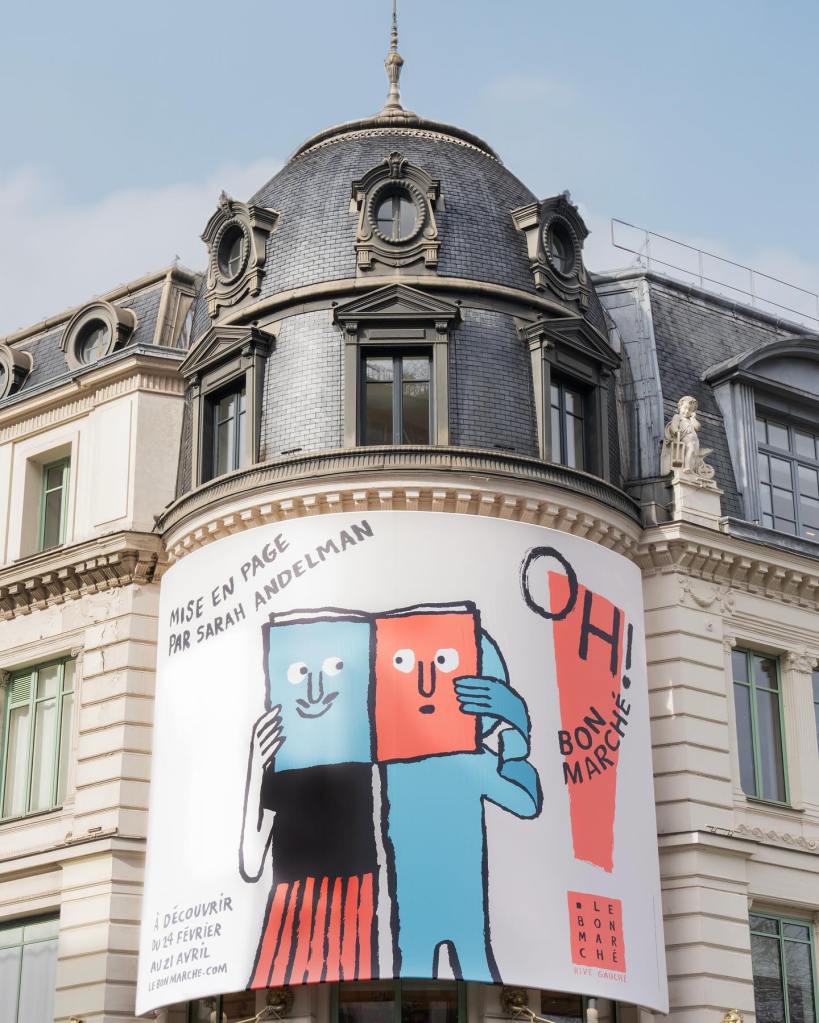
While Jullien may not have illustrated this exact text, he represents the type of Paris-based professional who effectively visualizes profound social and leadership messages.
If the request is for a fashion or style illustration related to leadership, Paris also has top stylists and image consultants who shape leadership images, but in terms of illustrating abstract leadership ideas, Jean Jullien is a key figure in Paris.
No other specific Paris-based illustrator tied exactly to this leadership text was found, but Jullien stands out as highly relevant.
Thus, Jean Jullien is a famous Paris professional who exemplifies illustrating leadership concepts such as vulnerability, empathy, and openness represented by “I don’t know” in leadership
Leaders Are Rarely The Best Performers
A symphony conductor is usually a good musician, but seldom a world-class performer. The most effective university deans are often not the best professors. The ability to lead… to Engage Others and to Turn Them On…. rarely coincides with being at the tip-top of the…. Individual Performance Heap.
Which is not to say that leaders shouldn’t have a fingertip familiarity with their particular line of business. But the factors that make you good at the ‘people stuff’ and the ‘inspiration stuff’ and the ‘profit making stuff’ are quite distinct from the factors that vault you to the Pinnacle of Individual Mastery.
In business, alas, it’s all too common to promote the ‘best’ practitioner to the job of leading other practitioners. The best trainer becomes head of the training department. The best account manager becomes head of the sales department. And so on. Tellingly, that’s not how things work in ‘True Hero’s Journey Enterprises (A symphony orchestra, a soccer team). So why do we go that route in business? Beats me. Gross stupidity? Maybe. But more likely: a refusal to see that leadership is … a discrete, limited, special quality.
A story of a famous creative professional in Paris who illustrates the leadership qualities discussed in the text — especially the ability to inspire, engage, and lead intuitively rather than solely through mastery — can be found in the career of Pierre Boulez.
Boulez was not only a renowned composer but also a distinguished conductor who exemplified the idea that leadership effectiveness often relies on inspiring others rather than just technical excellence. His leadership style emphasized deep understanding of the music, compelling vision, and the ability to motivate musicians through conviction and emotional intelligence rather than just command.
- Inspiration Over Perfection: Boulez’s performances were marked by their innovative interpretation and expressive clarity that inspired musicians and audiences alike.
- Visionary Leadership: As a conductor, Boulez often led with a strong artistic vision that transcended technical mastery, aligning with the idea that effective leaders cultivate a shared sense of purpose and awe.
- Empowering Musicians: Boulez’s approach involved guiding musicians to realize his vision collectively, rather than micromanaging every detail, echoing the leader who understands when to lead tightly and when to step back.
Boulez spent significant parts of his career in France, especially in Paris, where he founded musical institutions and directed major orchestras, shaping the musical landscape with a leadership style rooted in both discipline and inspiration. His career showcases how a leader in a creative or complex field can succeed by inspiring others, fostering innovation, and understanding the unique qualities necessary for collaborative artistry.
Pierre Boulez’s story encapsulates the essence of leading through inspiration, vision, and emotional intelligence, embodying the qualities described in your text: inspiring others while understanding the limits of mastery and the importance of collaborative, intuitive leadership.
Leaders are Talent Developers
Great leaders on snorting steeds are important – but great talent developers are the bedrock of organizations that perform over the long haul.
Talent Development …. worthy of the name is …. a 25/8/53 activity. And … THE OBSESSION for those who Truly Create a Hero’s Journey Legacy of Greatness. Some people (leaders) get their Ultimate Jollies out of … Developing Extraordinary Talent (Their Hall of Fame hires are their Ultimate Bragging Rights). Alas, some (most?) don’t. Even though we may call this group ‘leaders they are fearful of hiring people who are better than they are, fearful of true diversity, fearful of odd ducks and rabble rousers.
A prominent creative professional in Paris who exemplifies the idea of “Leaders are Talent Developers” is Karl Lagerfeld. Known as a design maestro, Lagerfeld was not only a visionary fashion designer but also deeply involved in nurturing and developing extraordinary talent. His career at Chanel revitalized the brand by bringing innovative designs and integrating global cultural influences, showing his dedication to advancing talent and creativity in his field. Lagerfeld’s approach to creativity was comprehensive, overseeing everything from initial sketches to final presentations, and he was known to take pride in discovering and mentoring great talent as part of his creative legacy. He represents the kind of leader obsessed with developing extraordinary talent and leaving a lasting legacy through a “hero’s journey” of creativity and greatness. Besides Lagerfeld, the Paris creative scene includes emerging multidisciplinary studios and individuals such as Frederic Tacer, Playground, Le Duo, and Akatre, who exhibit strong talent development by pushing creative boundaries in design and illustration. These professionals embody the relentless activity and dedication to crafting lasting creative influence that talent development demands.
Paris continues to be a global hub for visionary creative leaders who are shaping industries like fashion, design, and technology with bold visions. One standout is Antonin Tron, recently appointed Creative Director of Balmain. Tron is known for his mastery of draping and fabric dynamics, continuing Balmain’s legacy while bringing a fresh architectural approach to movement in fashion. His first collection for the iconic French house is highly anticipated, marking a new era of creativity and craftsmanship.
Jonathan Anderson, the newly appointed Artistic Director for Dior Homme, is also a key visionary. With accolades for innovation and distinctiveness from his previous work at Loewe and his own label JW Anderson, Jonathan brings a confident contemporary edge to Dior’s menswear line. His vision blends heritage with modernity, reflecting Paris’s positioning at the fashion forefront.
Matthieu Blazy has become the Creative Director at Chanel after a successful tenure at Bottega Veneta. Known for elevating Bottega Veneta to new heights, Blazy is expected to inject nuanced creativity and fresh perspectives into Chanel’s storied legacy, embracing Parisian elegance with contemporary twists.
Willy Chavarria, a new star on the Paris scene, made his Paris debut with a politically charged, culturally rich menswear collection. His work celebrates resilience, community, and identity, merging art and social commentary, which aligns with Paris’s tradition of fashion as a form of expression and activism.
Finally, Kiko Kostadinov is recognized for his creative leadership in menswear with a distinct approach that embraces rugged landscapes and urban isolation aesthetics, blending functionality and avant-garde fashion.
These leaders reflect the dynamic, visionary spirit of Paris in 2025—melding tradition with innovation across fashion and culture, influencing both the city and global creative landscapes.
Leaders are Profit Mechanics
Five famous Paris-based leaders exemplify “profit mechanics”, focusing on hands-on execution, close customer contact, and a relentless drive for value and revenue over cost obsession. Each has not only led leading firms but embedded profit-oriented thinking, innovation, and organizational agility—hallmarks of Peters’ philosophy—into their leadership ethos.
Ariane Gorin, currently leading Expedia, brings a French approach to management: fact-driven decision making, calculated hypothesis testing, and bold strategies. Gorin emphasizes results and competitiveness, reflecting Peters’ approach to driving profit through structured flexibility and execution.
At the helm of ASML, Fouquet showcases classic “profit mechanic” behaviors: seeing technological progress as a growth engine, persistently investing for long-term return, and cultivating global competitiveness. His leadership style mirrors my celebration of bold, action-focused innovation to drive value.
Fidji Simo has injected a culture of rapid execution, constant product reinvention, and expansion at Instacart. Her focus on cross-functional collaboration and delivering real-world results is tightly aligned with profit mechanic ideals of autonomy and relentless pursuit of operational excellence.
Laurent Freixe’s stewardship at Nestlé Americas reflects a classic profit-mechanic move: keeping the organization adaptable, prioritizing local empowerment, and balancing efficiency with growth. He is known for driving profit through actionable strategies and team engagement.
Olivier Combastet stands out in Paris finance as a creative profit mechanic, known for seeking undervalued investments and pioneering atypical deals. His knack for tackling practical business problems head-on, agile investment moves, and focusing on actionable change echoes Peters’ approach to getting things done for profit.
These leaders represent core profit mechanic ideals: rapid practical execution, people-centric management, and a relentless focus on profit through dynamic, real-world strategies.
Leaders Understand That ……. It All Depends!
A prominent visionary leader in Paris is Xavier Niel, a French entrepreneur renowned for his innovation and disruption in the technology and telecommunications sectors. Born near Paris in 1967, Niel’s journey began with a passion for computer programming in his youth. He founded France’s first internet service provider, WorldNet, in 1993, paving the way for widespread internet access. Later, he founded Iliad, the parent company of Free, which revolutionized the French telecom market by introducing low-cost, no-contract bundles for internet, phone, and TV services. This move democratized technology access and forced competitors to lower prices.
Niel’s vision extends beyond business success; he co-founded Station F in Paris, the world’s largest startup campus, supporting emerging entrepreneurs with resources and mentorship. He also founded Ecole 42, a free coding school that challenges traditional educational models by focusing on peer-to-peer learning and innovation. Through these initiatives, Niel has shaped France’s entrepreneurial ecosystem, fostering creativity and disruptive innovation.
His story embodies visionary leadership through relentless ambition, strategic foresight, and commitment to societal impact by transforming industries and nurturing future generations of innovators. Xavier Niel illustrates how visionary leadership in Paris can combine bold ideas with practical execution to reshape technology and education landscapes
Message: leadership is a complex affair! The Renaissance man or woman is a snare, a myth, and a dangerous delusion.
And what’s true for the great successful entrepreneur (plural) is equally true for the startup restaurant. You need that visionary chef! You need that ‘people person’ who can deal with minimum wage busboys. You need the one who dreams in balance sheets – and who can talk her way through a skeptical banker’s objections. In short, you need strengths at various times.
Leaders Thrive on Paradox
Forget what they taught you at school. Management ain’t science. it is ….100 PERCENT OF THE TIME ART. MANAGEMENT IS AN ART. An art of paradox.
The ultimate pardox of LEADERSHIP. In order to be ‘excellent’ you must be… CONSISTENT. (By most definitions: Excellence = Consistency of Superior Performance). But the very moment you become excellently consistent… you become… TOTALLY VULNERABLE … to attack from the outside.
We must be constantly vigilant. Vigilant about …. OPPOSITES
For example: Are we organized ‘enough’? If so WORRY. Are we disorganized ‘enough’? If so … WORRY. Worry….constantly…..about the balance…the wobble….the swing of the pendulum.
Well. this idea is actually not about … balance. It’s about going one way…. for a while… & TOO FAR… and then going back for a while… & TOO FAR. My view: Relatively extreme, wild oscillation between … too much control and too little control … is proably the secret to long-term effectiveness.
Leaders Love the Mess
Definition of crappy leadership? The leader who needs to be ‘comfortably’ ‘in control’
Definition of Truly Great Leadership? Leaders who get most energized … when the Shit Hits the Fan. Leading is dealing with issues that couldn’t be dealt with ‘below you’ in the organization. The issues that are laden with ambiguity.
Creative leadership in Paris is marked by individuals who transform cultural, fashion, and advertising landscapes with originality and boldness. Several notable creative leaders demonstrate this spirit:
- Suzanne Pagé has led the Fondation Louis Vuitton, elevating it as a vital contemporary art venue that merges architecture and innovative exhibitions, driving Paris’s art scene forward with visionary curations and collaborations.
- Florence Bonnefous, co-founder of Air de Paris and a key figure in Paris+ by Art Basel, champions emerging galleries and pushes the boundaries of the art market by encouraging cross-disciplinary creative exchanges that invigorate the city’s cultural influence.
- Jérôme Hue, CEO and Creative Director in Paris’s social media marketing realm, pioneers storytelling innovations for luxury brands, blending creativity with strategic brand impact, producing cutting-edge digital narratives that resonate globally.
- Léa Mastroeni, Co-founder and Head of Creative at Matter Paris, reshapes brand engagement by combining creative innovation with social impact, highlighting how brands can learn from creative leadership to connect meaningfully with audiences.
- Emmanuelle Alt, a powerful force in Parisian fashion styling post her Vogue Paris tenure, has redefined modern luxury aesthetics for menswear, blending classical French elegance with contemporary trends, illustrating leadership that shapes style narratives deeply embedded in Parisian culture.
These leaders collectively showcase how creative leadership in Paris spans art, fashion, and media, characterized by visionary curation, innovation, and boundary-pushing storytelling that influences global culture from the French capital.
The bottom line here: in selecting leaders, we must be assiduously on the lookout for those who get their jollies in the face of madness… where others waffle or fold.
Leaders Do!
If you don’t know what the hell is going on… if you don’t know the shape or even the location of the playing field… if you don’t know the nature of the rule book or even if there is one… then in the immortal words of my old man, Peter, don’t just stand there. Do something.
It is a cute phrase. But it’s far more profound than that. If you don’t know what is going on. Stop Thinking. (It won’t do you much good). Try… Something. See what happens. That is, until you let fly the new system… or new product… or new procedure… or whatever…you have… Utterly No Idea What the Hell is Going On.
Leaders Re-Do
If something goes awry, the typical Big Company … shoots the messenger. Appoints a Special Investigator. Aims to make sure that …this aberration…Never Occurs Again. In the process, the possibility of …. Rapid Progress… is severely diminished. In short: Do it right the first time is… stupid. A Snare. A Delusion. (An Abomination).
Consider two superstars that don’t gave a second thought to what happens the first time. (or the 21th). They did fast. And then they … re-do…..even faster!
Two iconic Paris-based creative professionals exemplify the mindset of “do it fast, then re-do even faster”—embracing rapid iteration and creative risk-taking without fear of initial imperfections:
- Henri Matisse, a leading figure of modern art, exemplified this approach during his later years with his cut-out technique. Faced with physical limitations, Matisse rapidly cut shapes from painted paper and rearranged them repeatedly on his studio walls, experimenting boldly and revising compositions dynamically. This iterative process led to vibrant, large-scale works that redefined artistic expression. Matisse famously said, “An artist must never be a prisoner of himself,” highlighting his readiness to re-do and evolve ideas quickly rather than perfect in one go.
- Pablo Picasso, based in Paris for much of his career, was known for his prolific sketching and restless experimentation. Exhibitions reveal that many of his masterpieces were preceded by numerous rough drafts and sketches, often on inexpensive paper, demonstrating his relentless process of trial, error, and rework. For example, the development of works like Les Demoiselles d’Avignon involved continuous rethinking and visual exploration. Picasso’s creative process rejected doing it right once and instead favored rapid creation and re-creation to push the boundaries of form and meaning.
Both Matisse and Picasso illustrate how great creative leadership in Paris thrives on embracing ambiguity, risk, and ongoing refinement, understanding that rapid progress requires the freedom to “do” before perfecting—and to re-do quickly in pursuit of innovation and excellence.
 The Hero's Journey in Paris